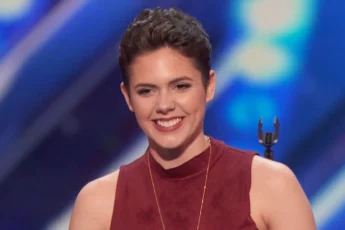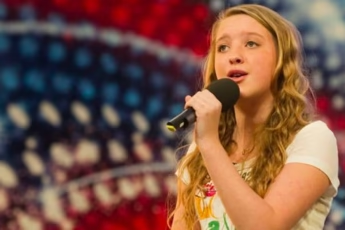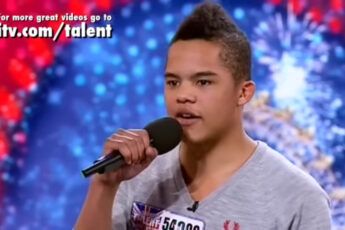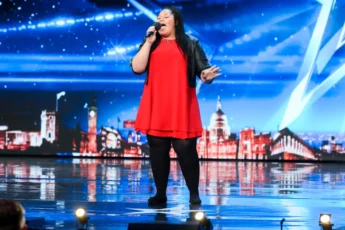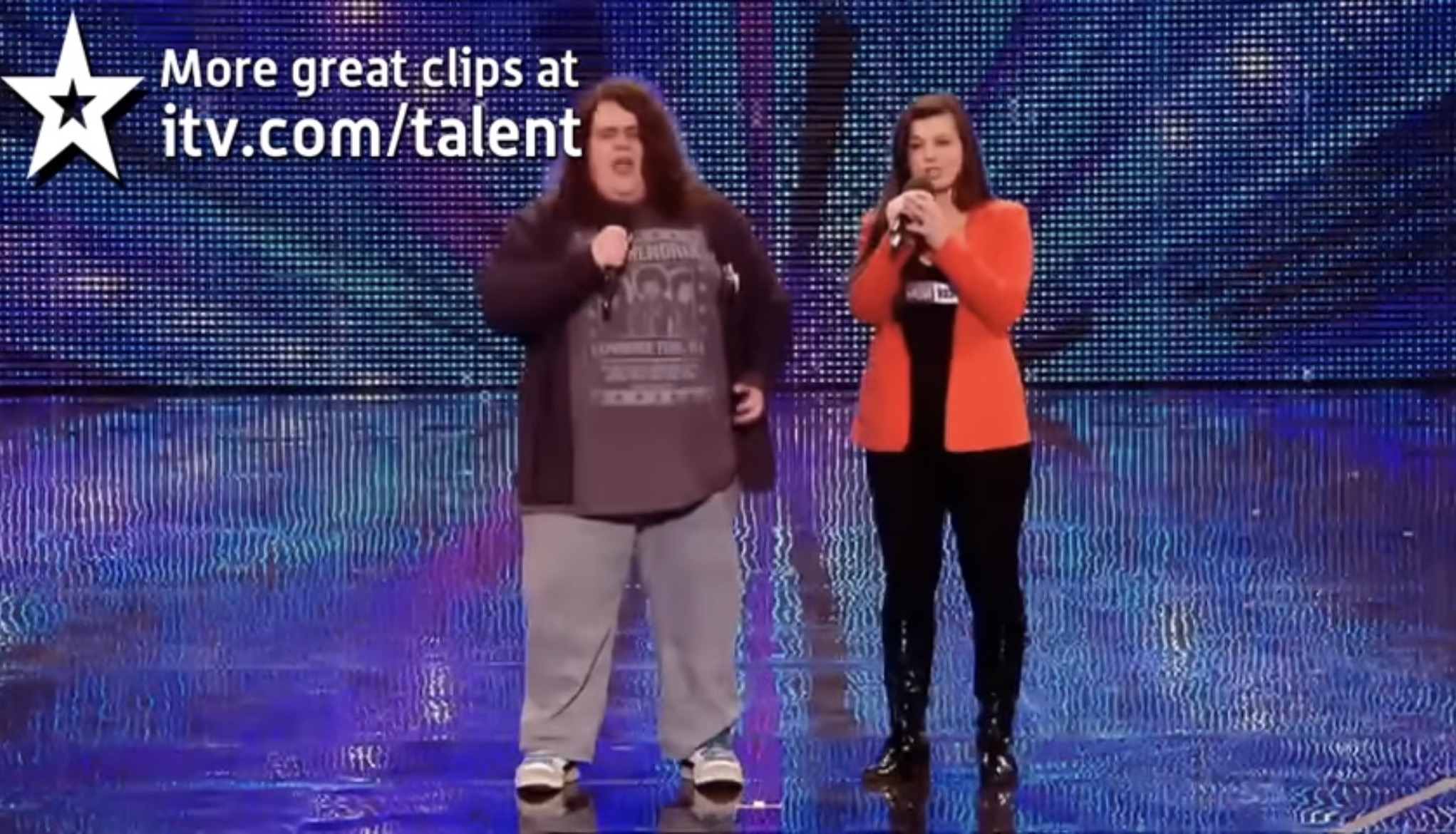
Charlotte and Jonathan’s audition on Britain’s Got Talent is one of those rare TV moments that lingers long after the credits roll—not just because of the voices, but because of the story carrying them. When the two teenagers stepped onto the stage, you could feel the room taking their measure. Charlotte moved with an easy confidence, her smile steady, shoulders relaxed, like she’d decided to enjoy the moment no matter what came next. Beside her, Jonathan, only 17, seemed to shrink a little under the lights. He glanced down, shifted his weight, and kept one hand curled nervously around the mic stand—small tells that said he knew exactly how big this stage was.
Before they sang, the judges asked the usual questions, and Jonathan answered with an honesty that immediately softened the room. He spoke quietly about years of struggling with self-belief and the sting of being bullied, choosing his words carefully, as if speaking them aloud still felt unfamiliar. He didn’t frame it as a plea for sympathy. It was simple and matter-of-fact, the kind of truth you share only when you’ve finally decided to stop apologizing for it. Then he introduced Charlotte, not just as his partner but as his anchor—the friend who had stood up for him, nudged him to keep singing, and filled the space where his confidence sometimes faltered. You could sense their dynamic before a note was sung: not just a duo, but a lifeline.
There was, at first, a hint of skepticism, the kind that tends to creep into talent shows. A few eyebrows lifted on the panel, and a murmur rippled through the audience as assumptions began forming in the quiet way they do. Could two teenagers really pull off something great? Would their choice be too safe or too ambitious? Those thoughts barely had time to settle before the music started and the question answered itself.
They chose The Prayer, a song that demands both technical control and emotional presence. It isn’t forgiving; it exposes breath support, phrasing, and whether a performer can carry meaning beyond the notes. Charlotte began, her tone clear and warm, floating over the opening bars with a calm that steadied the room. She didn’t rush. She let the melody bloom. Then Jonathan came in.
The shift was immediate. His voice arrived with unexpected power—deep, rounded, and startlingly mature. It wasn’t just volume; there was richness and intention in each phrase, like he was pouring months of swallowed words into sound. You could actually see the judges lean forward, expressions flipping from polite curiosity to surprise. The comparison to a young Pavarotti, which so often feels like an overreach, felt earned for once; it was the instinctive reaction to a voice that filled the space and colored it with emotion.
What made the performance work wasn’t just Jonathan’s strength, though—it was the way their voices met in the middle. Charlotte’s lighter, more contemporary timbre didn’t compete with his operatic weight; it lifted it, shaped it, and gave it room to soar without becoming heavy. In their harmonies, the music felt both classical and modern, almost like a bridge between two musical worlds built in real time. You could hear Charlotte lean in on certain lines, catch Jonathan’s eye, and adjust—tiny, unspoken signals of trust that made the duet feel alive.
As they moved into the heart of the song, the atmosphere changed. The polite chatter stilled, the cameras found faces in the crowd now watching with open mouths and wet eyes, and the space between phrases hung with that rare kind of silence that means everyone is listening. By the final crescendo, there was a collective held breath—and when the last note landed, the room exploded. People stood as if pulled by a single thread. Applause broke into cheers. Jonathan looked stunned, almost relieved, his shoulders finally dropping under the weight of the ovation. Charlotte turned toward him with a proud, steady smile that said, See? I told you.
The judges echoed the crowd. Words like unbelievable and future star came fast, layered with the recognition that what they’d just heard was special. Then came the curveball. Simon Cowell, in that cool, clinical way of his, suggested that Jonathan might be better off without Charlotte—that she could hold him back, and that he should consider going solo. The comment hung there, slicing through the afterglow. It wasn’t cruel, exactly, but it was blunt enough to test the ground beneath them.
What followed mattered as much as the singing. Charlotte didn’t flinch. She spoke calmly, not defensively, making it clear they were a team. Jonathan didn’t hesitate, either. For anyone who had just heard the story of how she had stood by him, his answer made perfect sense. It wasn’t strategy; it was loyalty, plain and simple. And that response seemed to land with the audience just as powerfully as the high notes had. In a space built on competition and individual triumph, their choice to stay united felt like a quiet act of courage.
When the votes came, all four judges said yes. The decision felt inevitable, a formal confirmation of what the room already knew. As they walked offstage, the applause seemed to follow them, a wave that recognized not only their talent but the partnership that made it possible.
Looking back, their audition endures because it combines everything we hope to see in a moment like this: vulnerability met with validation, doubt overturned by sheer ability, and a friendship strong enough to withstand the bright, dividing light of a big stage. They reminded everyone that talent doesn’t always come wrapped the way we expect—and that sometimes the most powerful sound is two voices rising together, each one making the other braver.