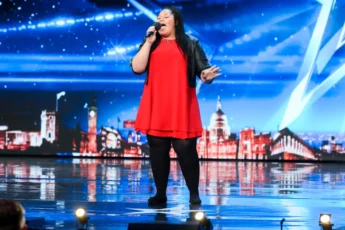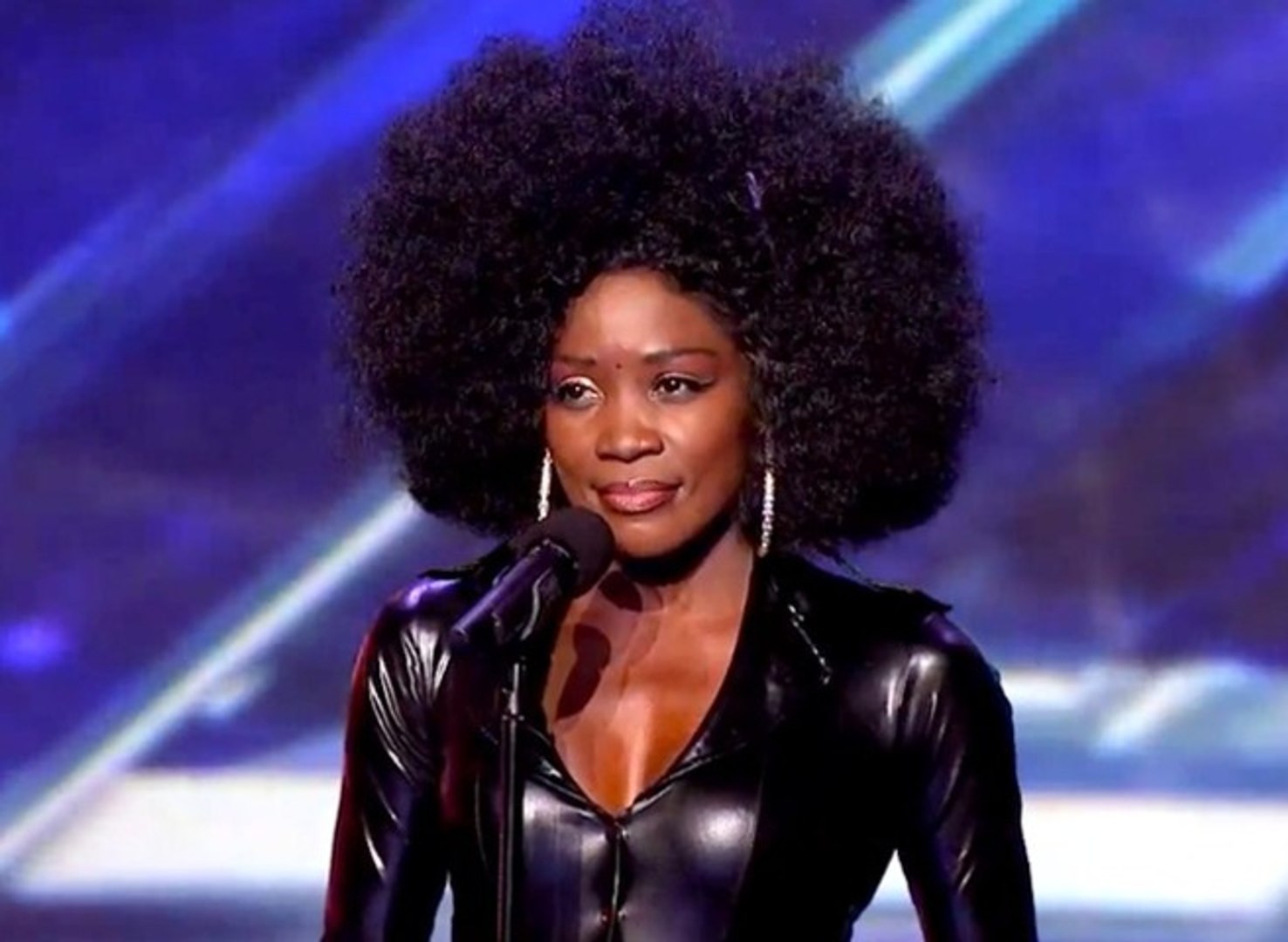
Lillie McCloud, a 54-year-old grandmother from Orlando, Florida, stepped onto The X Factor USA stage in 2013 with a presence that immediately caught people off guard—in the best way. There was something vibrant about her, a quiet confidence paired with a warm smile that made her instantly likable. When she introduced herself and casually revealed her age, the reaction from the judges was immediate and unfiltered. Simon Cowell raised his eyebrows, Demi Lovato looked genuinely stunned, and there was a ripple of surprise throughout the audience. It wasn’t just that she looked younger—it was the energy she carried, the way she held herself, as if she had been waiting for this exact moment for a very long time.
As she began to share her story, the room softened. Lillie spoke about her life with humility, explaining how she had dedicated years to raising her three children and later being present for her seven grandchildren. Music, she said, had always been a part of her, but it had taken a backseat while she focused on her family. There was no regret in her voice—just a sense of timing, as if she believed that everything had unfolded exactly as it should. Now, with her family grown, she felt it was finally time to do something for herself, to revisit a dream she had never truly let go of.
That honesty resonated. Before she even sang, the audience was already on her side, drawn in by her sincerity and the quiet determination behind her words. It felt less like someone chasing fame and more like someone reclaiming a part of themselves.
When the music for “Alabaster Box” by CeCe Winans began, the atmosphere shifted almost instantly. The opening notes set a reflective tone, and Lillie stood still for a moment, eyes focused, as if grounding herself in the song. Then she sang—and everything changed.
Her voice was rich, full, and deeply soulful, carrying a weight that only comes from lived experience. It wasn’t just technically impressive, though it certainly was that. It was the emotion behind it that made people stop and listen. Each line felt intentional, each word delivered with a kind of honesty that couldn’t be faked. There was a warmth in her tone, but also strength—a balance that made the performance feel both intimate and powerful at the same time.
As the song built, so did her presence. She wasn’t moving much, but she didn’t need to. The power of her voice filled the space effortlessly, reaching every corner of the arena. There were moments where her range expanded in a way that drew immediate comparisons to iconic voices like Whitney Houston—those soaring notes that seemed to rise without strain, controlled yet emotionally raw.
But what truly set her apart was the way she connected with the song. “Alabaster Box” is a deeply spiritual and emotional piece, and Lillie leaned into that fully. You could see it in her expression, hear it in the subtle cracks and textures of her voice that made the performance feel real rather than polished. It felt like she wasn’t just singing to impress—she was sharing something personal, something meaningful.
The audience responded in kind. The arena grew quiet, the kind of silence that isn’t empty but full of attention. Some people closed their eyes, others leaned forward, completely absorbed. By the time she reached the final chorus, there was a visible emotional shift in the room. A few audience members were wiping away tears, clearly moved by what they were hearing.
When she hit the final note, holding it with both control and feeling, there was a brief pause—just a second of stillness—before the entire room erupted. Applause came quickly and loudly, building into a standing ovation that felt both spontaneous and well-deserved. The judges rose to their feet without hesitation, their reactions reflecting genuine admiration.
Kelly Rowland was visibly emotional as she spoke, her voice soft but full of intensity. She told Lillie that the performance had “ripped her heart out,” a phrase that captured exactly how raw and affecting it had been. It wasn’t just about vocal ability—it was about the emotional impact, the way Lillie had made people feel something real.
Simon Cowell, never one to hand out praise lightly, looked both impressed and slightly bewildered. He questioned where she had been hiding all these years, clearly recognizing that a voice like hers doesn’t come around often. He described her as “absolutely incredible,” and coming from him, the words carried weight.
Demi Lovato added a thoughtful perspective, suggesting that perhaps this moment—this exact stage, this exact time—was when everything was meant to happen for Lillie. It wasn’t about being late; it was about being ready.
The remaining feedback echoed the same sense of awe. There was no hesitation when it came time to vote. One by one, the judges delivered enthusiastic “Yes” votes, each one met with cheers from the audience. It wasn’t just approval—it was celebration.
As Lillie stood there, taking it all in, there was a quiet sense of fulfillment in her expression. This wasn’t just a successful audition; it was a moment of validation after years of putting others first. Her story, combined with her undeniable talent, created something unforgettable.
In that moment, Lillie McCloud didn’t just prove that she could sing—she reminded everyone watching that passion doesn’t have an expiration date. Sometimes, the right moment comes later than expected, but when it does, it can be even more powerful than anyone imagined.