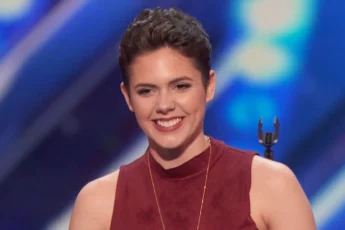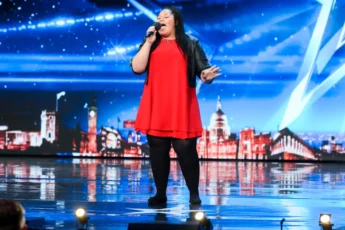
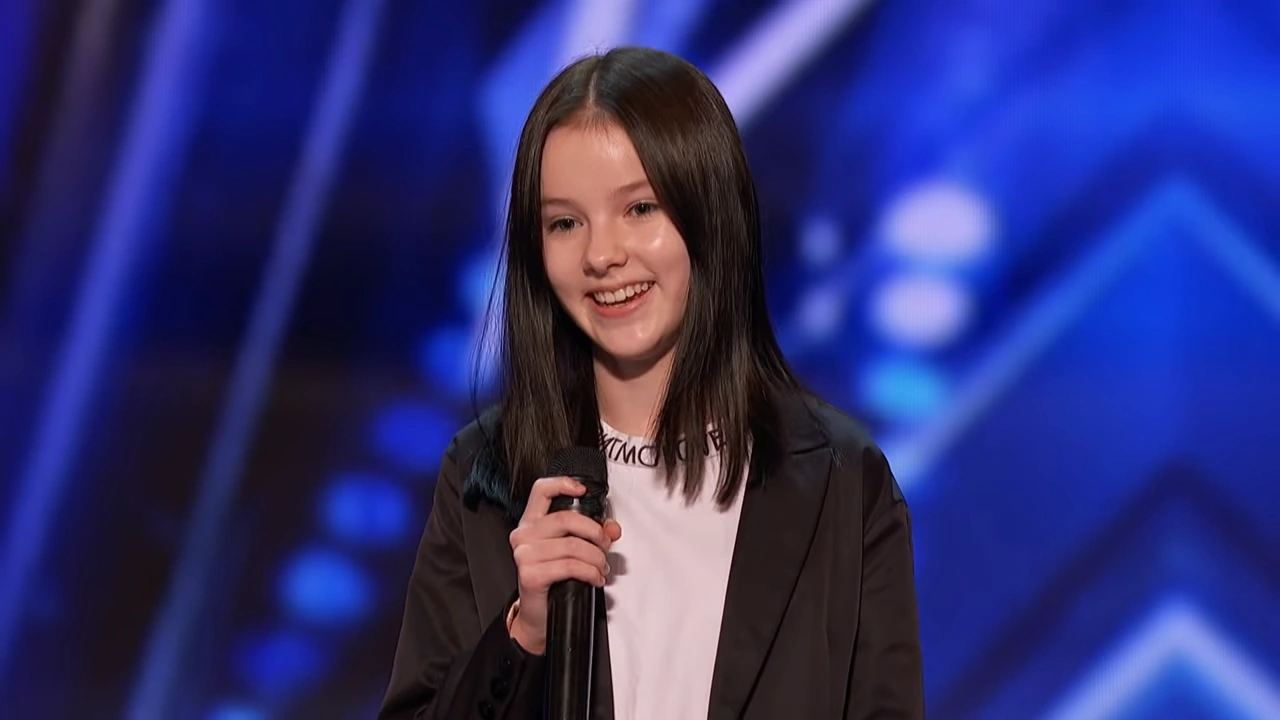
When 13-year-old Daneliya Tuleshova stepped onto the America’s Got Talent stage, you could feel the size of her dream before she even opened her mouth. She had flown a long way from Kazakhstan with a single, bright goal: to become an American pop star, to stand where her idol Beyoncé stands. That hope sat beside a very human nervousness — the kind that makes your palms sweat and your heart race when you’re inches away from something you’ve imagined since childhood. As she waited under the hot studio lights, glancing briefly at the judges, there was a delicate mix of shyness and quiet determination in her posture that made the audience lean forward, curious to see whether this small figure could translate such a huge dream into a single performance.
The moment she began to sing, something remarkable happened. The shyness that had been visible in her soft smile and tentative glances seemed to dissolve, as if the music was a switch that flipped a different side of her on. With the first notes of “Tears of Gold,” she opened up not just her lungs but a presence that felt much larger than her years. Her voice — strong, soulful, and surprisingly textured — filled the theater and wrapped around the judges like a warm but unmistakable force. It wasn’t just that she hit the notes; it was how she carried them, turning lines of the song into small, personal declarations. You could see the transformation in real time: a girl who had arrived on the stage with a hint of uncertainty became a performer who owned every inch of it.
The change didn’t go unnoticed. Heidi Klum, who had watched the shy moment at the beginning, later pointed out how Daneliya had morphed into someone with real “swag” — a word that captured both confidence and charisma. There was an ease now in the way she moved, a slight tilt of the head or a controlled step forward at the emotional peak of a line, that read like the behavior of someone who had been performing for years. Howie Mandel used a classic comparison, likening her to a caterpillar turning into a butterfly. It was a fitting image: the awkward, tentative exterior giving way to something bright and fully formed, fluttering with possibility.
Listeners in the audience and at home were struck not only by the power of her voice but by the maturity behind it. “Tears of Gold” is a song that asks for emotional weight and technical control at once — a difficult balancing act for an adult, let alone a teenager. Daneliya delivered both. She handled the fragile, intimate verses with tenderness, then unfurled into soaring, resonant choruses that made the work feel effortless. At times she leaned into rawness, letting a line crack just enough to suggest vulnerability; at others, she pushed, projecting clarity and strength. Those shifts made the performance feel alive rather than rehearsed.
There were small moments that made the whole performance even more memorable. A soft intake of breath before a held note that stretched and trembled just long enough to make the studio go silent. A glimmer of relief, barely perceptible, after a difficult run, as if she herself was surprised by what she had just done. The camera caught close-ups of her parents in the audience — wide-eyed, hands clasped — which gave the scene an intimate touch and reminded everyone that this was not just a talent show stop on a circuit; it was the fragile, exhilarating start of a real-life dream in motion.
Simon Cowell’s reaction was interesting to watch because Daneliya had admitted earlier that she was especially nervous about singing for him. He’s known for being a tough critic, and that can be intimidating even for seasoned performers. But as the last notes faded, there was a visible shift at the judges’ table. The usual skepticism softened into admiration. The applause that filled the theater was thunderous enough to be felt in the chest — the kind of reception that suggests viewers weren’t just entertained; they were moved. Social media, for a brief, shining moment, felt like it might explode with clips and comments, the way the internet does when a performance strikes a universal chord.
Beyond the immediate wow factor, what made Daneliya’s audition enduring was the clear sense of potential. At 13, she already demonstrated stagecraft, emotional intelligence, and a vocal palette that hinted at many possible futures: pop star, soulful balladeer, or a hybrid of styles that could carry her anywhere. Her journey from a nervous girl to a commanding presence was not just a performance highlight; it was proof that practice, passion, and belief can realign nerves into fuel.
When she left the stage that night, she left with more than a standing ovation. She left with a reminder for everyone watching: big dreams don’t belong to the fearless alone. Sometimes they belong to the brave, the ones who feel the fear and step forward anyway. Daneliya’s audition was more than a showcase of talent — it was a moment of transformation, and, for many, a first look at an artist whose story feels like it’s only beginning.