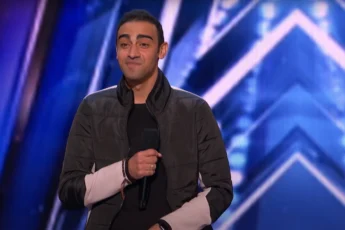

Eighteen-year-old Ellie Carney, a North Londoner with a quiet determination, stepped onto the Britain’s Got Talent stage for the final audition of the night at the Palladium. You could see the nerves in the small, steady breaths she took and the way she smoothed the hem of her outfit, but there was also a resolute look in her eyes. She told the judges, simply and honestly, that she’d come on the show to use its platform to chase her dreams — nothing flashy, just a clear-eyed hope that this opportunity might open a door. What made Ellie’s moment feel different from the outset was her choice to perform an original song she had written about her relationship with her mother, who sat in the audience watching, visibly moved before a note was even sung.
Introducing a self-penned piece on such a big stage is a bold move; it exposes not only vocal ability but vulnerability. Ellie’s song, “Limitless Love,” was more than a composition — it was a personal letter set to melody. She described her mother as her best friend, the person who’d been beside her through dark and ordinary days alike, and the lyrics read like promises: assurances of presence, protection, and unwavering support. Lines such as “If the skies turn gray… I will guide you through it” were simple, direct, and immediate; they didn’t hide behind metaphor but instead hit home with a sincerity that made the room lean in.
From the first phrase, the power and emotional depth of Ellie’s voice took hold. There was a control to her singing that suggested long practice and a clear understanding of what the song needed in each moment. She moved effortlessly between a soft, intimate register — the kind that draws the listener close and makes every word feel like a secret — and a soaring, full-bodied tone that carried the chorus into the rafters. Those shifts were never showy; they served the story. When she softened, you felt the intimacy of a daughter speaking directly to her mother; when she swelled, you felt that promise expanding to everyone listening.
Small details amplified the honesty of the performance. Ellie’s chin would dip slightly on a tender line, as if bowing to the weight of the sentiment, and her hands remained unclenched, open, as though offering the music forward. Her mother’s reactions were part of the fabric of the moment: a hand at the mouth, a small catch in a breath, and at times a tear tracing down a cheek. Seeing that connection made the song’s words tangible — they weren’t theatrical; they were real. The audience responded in kind, moving from polite attention to quiet stillness and then to warm applause that felt like collective agreement with the song’s promise.
The judges’ responses reflected the layered nature of what they had just witnessed: technical ability wrapped in genuine emotion. David Walliams spoke to Ellie’s interpretive gifts, praising how she made the audience feel the song rather than merely sing its notes. That kind of praise is significant because it separates competent performance from something that resonates on a human level. Alesha Dixon pointed out the unity of “head and heart” in Ellie’s delivery — a nod to the maturity behind the songwriting and the emotional clarity in her vocal choices. Simon Cowell, often the voice of blunt appraisal, acknowledged the authenticity and confidence behind the performance, offering the succinct compliment, “You’ve got soul.” His comment captured an essential truth: Ellie’s talent wasn’t just about technique; it was about a depth of feeling that suggested staying power.
When the judges announced their votes, Ellie received four enthusiastic “Yes”es, and the ovation that followed felt like a release — an affirmation not only of a good audition but of something truer: a young artist staking a claim with honesty. For the night’s final audition, it was a perfect, emotional high point. The moment didn’t feel like the end of a sentence but the opening of a new paragraph in a story that had been unfolding long before the cameras arrived.
Beyond the immediate applause and the judges’ compliments, Ellie’s audition spoke to why shows like this still matter. They are not merely contests; they are platforms that allow people to tell their stories in ways that can reach strangers and turn private devotion into public art. By writing about her mother and singing it with such conviction, Ellie transformed a personal relationship into something universal — a reminder of the bonds that sustain us and the ways we try to thank those who stand by us.
As she left the stage, smiling nervously and wiping away the last of her tears, it was easy to imagine this was only a beginning. The authenticity she brought, combined with clear technical promise, suggested that if she continues to write from the heart and refine her craft, Ellie Carney could be the kind of artist who grows naturally and meaningfully in the public eye. For now, “Limitless Love” had done exactly what songs are meant to do: it connected, it healed, and it announced a voice worth watching.