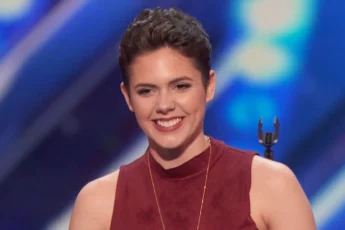
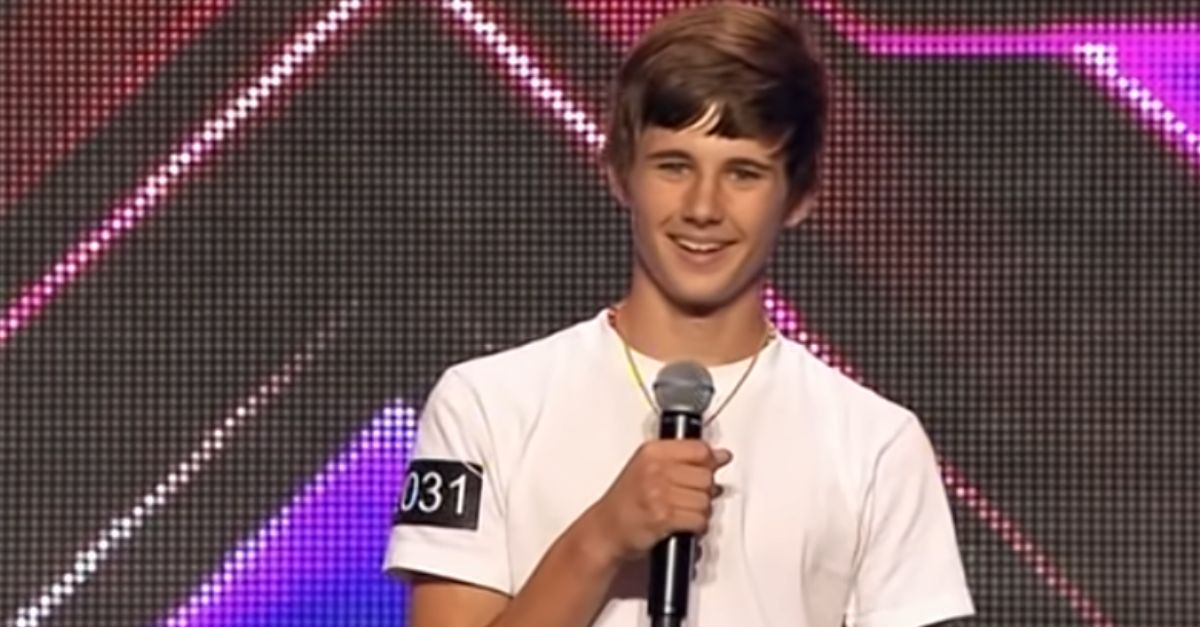
The stage looked ordinary enough: a single mic stand, a few lights, and a nervous hush that comes with any audition room. Joel Goncalves, however, carried something different into that space — a calmness that felt earned, as if he’d rehearsed not just the song but how to center himself before it began. He stepped up with a quiet confidence that didn’t shout for attention but instead invited it. Choosing a Michael Jackson classic was an audacious move for any young singer; for Joel, it signaled not bravado so much as reverence. From the very first note, you could tell this was not a casual cover. There was a clarity and timbre to his voice that recalled the King of Pop without merely copying him, and that balance is what made the opening bars so compelling.
Early on, the audience tuned in with polite curiosity — the kind that comes with watching someone take on a beloved song. But within seconds, curiosity curdled into something sharper: electricity. Joel’s intonation was precise, his breath control impeccable, and those signature MJ vocal hiccups and rhythmic inflections came out sounding natural rather than borrowed. He managed the song’s tricky high registers with a surprising ease; instead of pushing, he placed each note with a kind of surgical care that made the difficult passages feel inevitable. The judges’ faces shifted from expectation to astonishment; you could see eyebrows lift, mouths part slightly, the human versions of applause even before the first chorus finished.
It wasn’t only about technical skill. Joel’s interpretation threaded a fresh emotionality through familiar lines. Michael Jackson’s songs are often theatrical, full of phrasing that begs for drama; Joel gave the drama a personal angle. In quieter moments he let the vowels hang — a small breath on a suspended note, a softened consonant — and that contrast sharpened the big moments. When he launched into the song’s more energetic segments, Joel didn’t lose that control; instead, he channeled it into showmanship. He moved without overdoing it: a tilt of the head here, a snap of the fingers there, the occasional step that suggested choreography without turning the audition into a dance routine. It all added up to a performance that felt complete and lived-in rather than simply executed.
The crowd responded in waves. At first there were murmurs of appreciation, then clapping that built into a sustained, rhythmic applause as the song advanced. People who had been casually filming on their phones lowered their devices, fully absorbed, while others clasped hands to their chests as though the performance had touched them personally. You could sense that Joel had created a shared experience — the kind where strangers in the room feel bonded by the emotion of the moment. That’s a rare thing in an audition setting, where nerves and technicalities usually keep emotions at arm’s length.
Joel’s stage presence contributed as much to the effect as his voice. He engaged with the audience in a way that felt immediate: a glance, a genuine smile at a lyric, an understated interaction with the judges during a breath between lines. There was no pretense, no attempt to mimic Jackson’s famous moves exactly; instead, Joel filtered the spirit of those moves through his own personality. That authenticity mattered because it transformed the performance from an impersonation into a tribute. The judges noticed. Their reactions evolved from critical appraisal to enthusiastic approval, nodding in time, whispering to each other, visibly impressed at how a young performer could navigate such an iconic piece with both respect and originality.
As the final chorus rolled out and Joel pushed the song toward its climactic peak, the room seemed suspended on the sustained notes. When the last chord faded, a standing ovation followed as if on cue. The applause felt less like a polite ritual and more like a genuine eruption of gratitude for having witnessed something rare. Joel’s face registered a mix of relief and joy; he absorbed the moment with a humble, almost shy appreciation. That reaction underscored his performance’s sincerity — he wasn’t performing for fame so much as for the love of the music and the connection it fostered.
Since that audition, clips have spread across social platforms, accumulating millions of views and an outpouring of comments. Many viewers expressed amazement at Joel’s technical prowess; others were touched by the emotional honesty of his delivery. For young artists, covers of legendary songs can be a double-edged sword: they invite comparison, but they also offer a chance to announce oneself. Joel used that opportunity flawlessly, showing that talent is not just about mimicry but about listening, honoring, and then adding something of your own.
In the end, Joel Goncalves’s Michael Jackson cover did more than dazzle a room — it reminded people why music moves us. He demonstrated that with the right mix of skill, heart, and presence, a young singer can take on a towering legacy and emerge not as an echo, but as a new voice that commands attention. The world’s shock was really a world’s standing ovation for someone who dared to make a classic feel alive again.