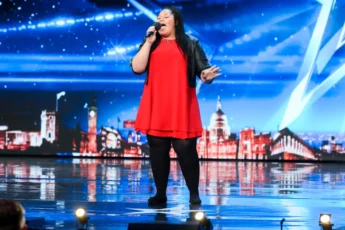
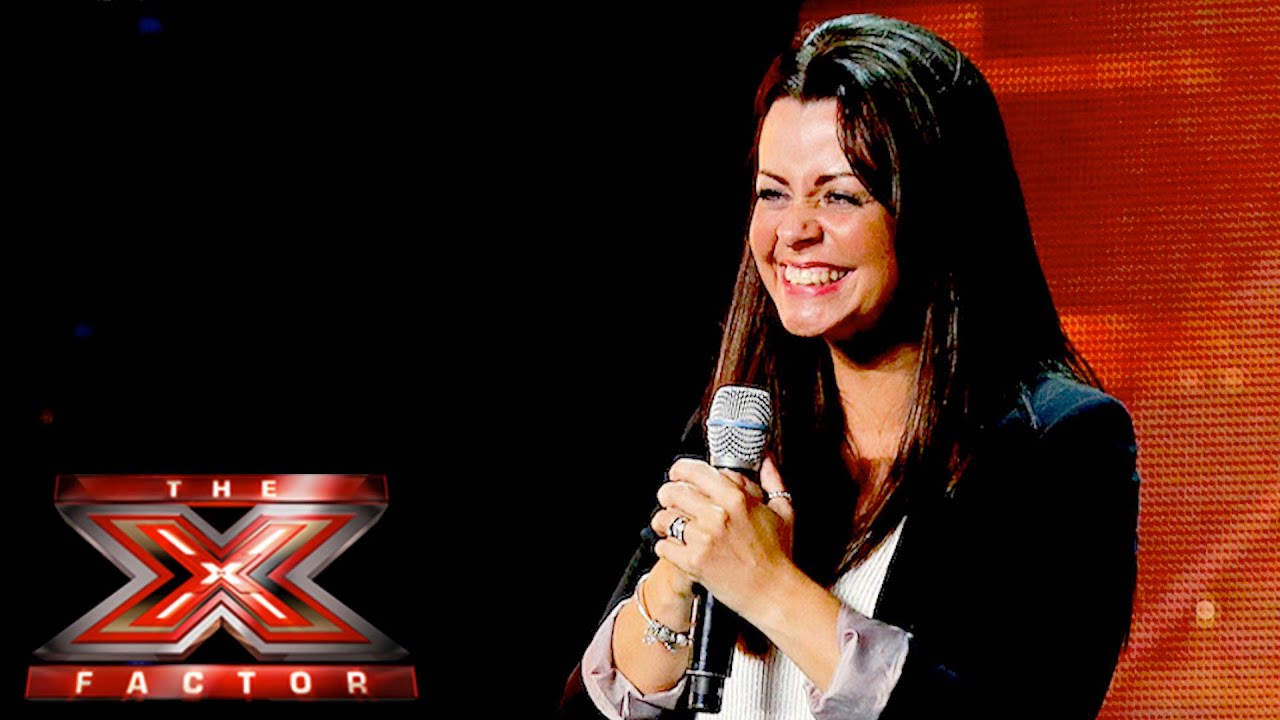
Cherylyn arrived at the audition with the sort of quiet strength that doesn’t demand attention but naturally commands it. At 40, she carried more than a lifetime of songs—she carried the weight of a decade-long promise made in the face of crisis. She shared that she’d been singing since she was 13, cutting her teeth in clubs and pubs where the lights were low and the music was everything. Those early years had shaped her—learning how to hold a note, how to read a room, how to sing through exhaustion and joy alike. But life, as it often does, pressed pause on her ambitions. At 30, her husband suffered a devastating workplace accident that left him paralyzed for six months. Without hesitation, she chose to stop singing professionally and become his caretaker, the steady presence who helped him relearn how to walk and who anchored the family through the long nights of recovery.
That story, delivered simply and without a hint of self-pity, framed everything that followed. It mattered less that she’d once had a stage and more that she had chosen to step away for love. When she told the audience about leaning over hospital beds and helping with rehabilitation exercises, you could see how those years had reshaped her voice. Her time away from the spotlight hadn’t erased her talent; it had deepened it, giving her a reservoir of lived experience to draw from. The judges listened, and the room felt more intimate—this was not a contestant searching for fame but a person returning to a part of herself after a long, meaningful absence.
Choosing Whitney Houston’s “I Didn’t Know My Own Strength” was more than a song selection; it was a statement. The lyrics—about resilience, revelation, and discovering strength in hardship—mirrored the life she had lived. From the first lines, she sang as if she were walking the audience through her own memories: the small triumphs of physical therapy, the quiet victories of a first unassisted step, the exhausted relief of another day survived. There was no attempt to mimic Whitney’s powerhouse perfection; instead, Cherylyn made the song her own, infusing it with a texture shaped by years of emotional labor and devotion.
Her vocal delivery was anchored more in feeling than in flawless technique. Where some performers aim to dazzle with runs and pyrotechnics, Cherylyn chose clarity and honesty. Her phrasing emphasized meaning—pausing on words that mattered, letting consonants sink in so that the narrative could breathe. Small imperfections—a slightly unsteady pitch here, a vulnerable catch in a breath there—didn’t diminish the moment; they amplified it. Those human touches signaled truth, the kind of truth that makes listeners lean in because they recognize a life mirrored in the music.
The audience responded in kind. There was a hush as she sang, an attentive silence that felt less like critique and more like witness. Faces in the crowd reflected the arc of her story—empathy, surprise, and ultimately admiration. People nodded as if the song confirmed something they already suspected: that strength often appears in quiet, persistent acts rather than headline-grabbing gestures. For many, the performance hit a familiar chord—caregivers who had set aside dreams, partners who had kept faith through hardship, anyone who had learned that love sometimes requires sacrifice.
The judges’ feedback was thoughtful and compassionate. While they acknowledged that the audition might not represent a technically perfect rendition—some phrasing could have been more polished, and there were moments where control slipped—the consensus was that the performance transcended technicalities. They commended her bravery for returning to the stage and for choosing material that reflected her journey. The commentary underscored an important point: television talent shows are about more than vocal gymnastics; they reveal stories that connect. Cherylyn’s audition accomplished that connection fully.
Backstage after the applause had died down, you could imagine the mix of emotions: relief, validation, and a quiet pride that perhaps surprised her. This was less about winning a competition and more about reclaiming a piece of herself that caring for others had temporarily set aside. The hugs from family or friends nearby likely felt like permission slips—signals that it was okay to want for herself again, that helping another person didn’t mean abandoning personal dreams forever.
Her audition served as a gentle reminder that life’s detours don’t erase talent; they can reshape it into something richer. Cherylyn’s voice now carried the grooves of lived experience—sorrows weathered, nights spent at a bedside, the peculiar courage required to keep going. That depth made her performance resonate in a way technical perfection alone rarely can. For viewers and judges, she became an emblem of a different kind of heroism: one found in bedside vigils, in small daily acts that rebuild a life, and in the quiet reclamation of a long-postponed dream.
When she left the stage, it was clear the audition had done more than showcase a song. It had honored a decade of devotion and opened a door back to something she had once loved. Whether or not she advanced, Cherylyn had sung more than notes—she had sung her story, and in doing so she reminded everyone watching that resilience, love, and music can intersect to create moments that linger long after the final chord.