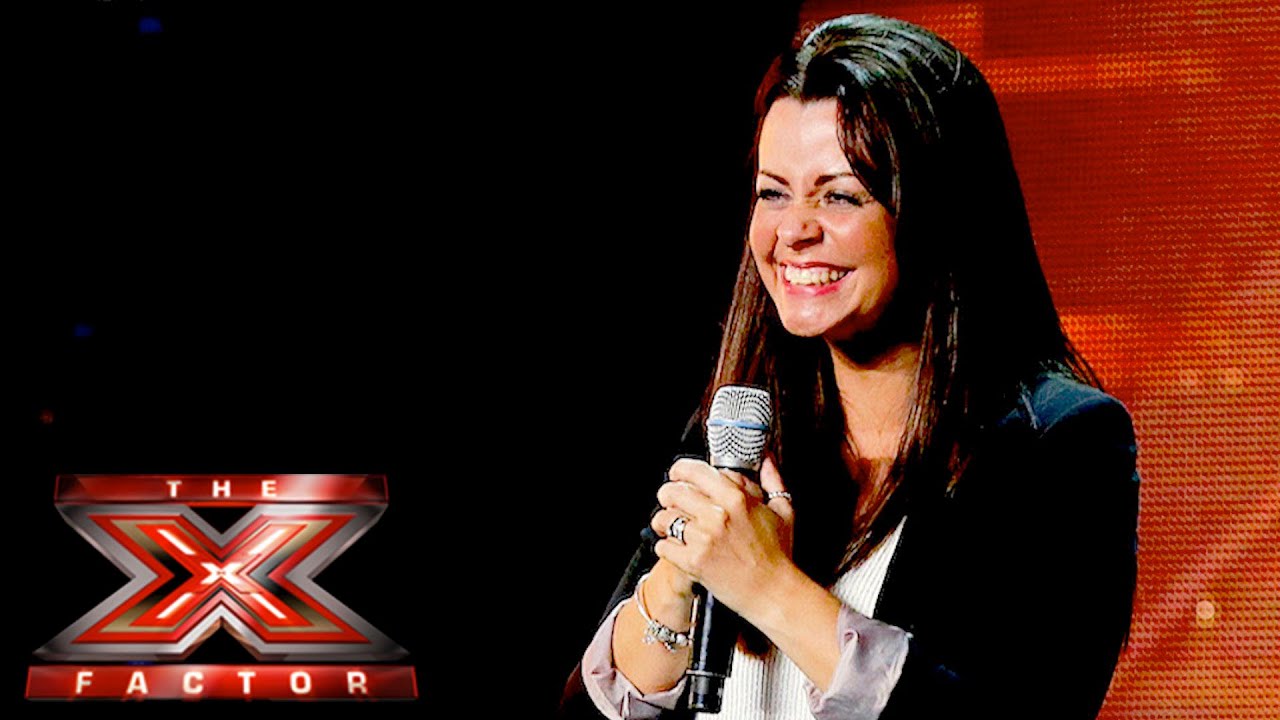
When Cherylyn, a 40-year-old mother of three from a small town in South Wales, walked into the audition room she carried more than nerves—she carried a decade of quiet sacrifice. She began singing at thirteen, cutting her teeth in local clubs and pubs, learning how to hold a note and how to read a room. Those early years shaped her voice and her identity; music was woven into ordinary life—weekend gigs, late-night drives with a cassette of covers, and the small-town camaraderie of fellow musicians. Then, when she was thirty, everything shifted. Her husband suffered a traumatic accident at work that left him paralyzed for six months. The options in front of her were stark and immediate: continue chasing a dream that required time away, or step into the daily, exhausting work of helping the man she loved reclaim his life. She chose the latter.
For ten years Cherylyn stepped away from stages and spotlights to become caregiver, cheerleader, and steady hand. She learned the long, steady patience of rehabilitation alongside her husband—helping him with physical therapy exercises, telling him to try one more step, laughing with their children on hard days, and being the person who could hold both hope and the mundane details of life in the same breath. She called herself his “rock,” but the reality was more complicated and beautiful: she became the kind of presence that keeps ordinary life moving forward when everything feels uncertain. Those years shaped her in ways that a lifetime of gigs never could. Her voice grew quieter in public, but it gained a different kind of strength, one forged in hospital corridors and kitchen-table conversations.
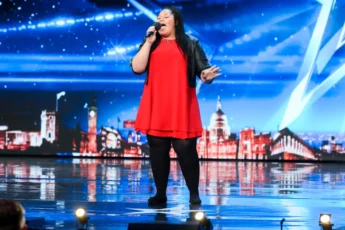
When she finally decided to return to the stage, it wasn’t an impulsive choice. It was a slow, careful reawakening of something she had put aside for love and family. For her audition she selected Whitney Houston’s “I Didn’t Know My Own Strength,” a choice that felt less like a cover song and more like a map of where she had been and where she was heading. From the moment the first notes began, the room sensed that this was not a routine performance. The lyrics—about endurance, rediscovering inner reserves, and the quiet astonishment at one’s own resilience—sat on her like a second skin. Each line landed as testimony instead of mere interpretation.
Her voice on that day carried traces of the life she had lived: a warmth tempered by weariness, a clarity tempered by emotion. She didn’t reach for perfect runs or orchestral theatrics; instead, she delivered phrases with intention. Small details made the performance tactile—the catch in her breath before a key word, the way she let a syllable hang as if to give her story room to breathe, the subtle closing of her eyes on the most vulnerable lines. Those micro-moments made the audience lean in; they felt they were being entrusted with something personal. The sound wasn’t flawless in a technical, competition-ready way, but the honesty in it was palpable.
The judges noticed that honesty immediately. They pointed out that while the execution might not have been faultless—some notes wavered, some breath control faltered—the emotional truth behind the performance overshadowed those imperfections. That observation mattered; it acknowledged a broader truth about performing: sometimes the power of a song comes less from technical precision and more from the authenticity you bring. For many in the room, the resonance of the lyrics with Cherylyn’s actual life created a bridge between artist and audience that little else could.
Beyond the panel, the audience reaction was gentle and heartfelt. Faces softened, a few people dabbed at their eyes, and when the last note faded there was a warm applause that felt more like a communal exhale than a competitive cheer. Cherylyn’s story—of giving up a dream to stand unwaveringly by her husband’s side, and then finding the courage to step back into the light—touched a universal chord. It’s a narrative about priorities and love and the complicated choices life asks us to make, and it resonated precisely because it was rooted in ordinary sacrifice rather than melodrama.
When the judges cast their votes, three enthusiastic “Yes” answers affirmed what many in the room had already felt: that this was a meaningful comeback. For Cherylyn, the result was both vindication and a beginning. It wasn’t simply about progressing in a competition; it was about reclaiming a part of herself she had voluntarily set aside. Walking away from that audition, she carried more than the judges’ approval—she carried the knowledge that she could honor both her family responsibilities and her artistry. Her return to music wasn’t a denial of the decade she spent caring for someone she loved; it was an extension of it. The same strength that had helped her husband find his footing again now helped her place one tentative, yet determined, step back onto the stage.
Her audition served as a gentle reminder that talent and sacrifice often travel together. It showed that life’s interruptions don’t have to be endings for dreams; sometimes they are detours that deepen the meaning of those dreams. For Cherylyn, singing Whitney’s words was less about proving vocal prowess and more about declaring that it’s never too late to reclaim who you once were—especially when you come back carrying the kind of resilience that only a decade of love and hardship can give.