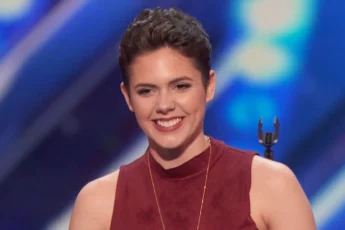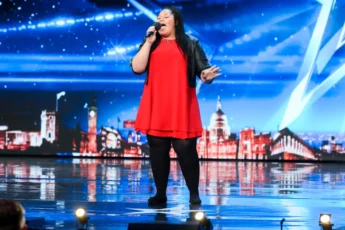

When Rachel Potter walked onto The X Factor USA stage in 2013, she didn’t come in throwing sparks or demanding attention. She moved like someone who’d learned to live in the background—steady, approachable, the sort of person you might chat with at the end of a long shift. She introduced herself simply: a bartender from Nashville who had been grinding for years and felt like her moment hadn’t arrived yet. That backstory set the stage for something quietly compelling: this wasn’t about manufactured drama, it was about a real person finally stepping up to be heard.
Choosing “Somebody to Love” by Queen was a bold move. The song is iconic, tightly linked to Freddie Mercury’s extraordinary vocal personality and theatrical delivery. Many singers either aim to replicate that bravado or they shrink the arrangement down to play it safe. Rachel did neither. From the first chords, you could tell she’d thought carefully about how to make the piece hers. Instead of trying to match Mercury’s operatic contours, she threaded the song with a country-tinged sensibility—subtle twang in the phrasing, a relaxed vocal lilt at times, and an arrangement that let acoustic warmth sit beneath the soaring moments. The result was familiar yet new, a bridge between two very different musical worlds.
Her approach revealed a deep understanding of interpretation. Country music is often less about showing off and more about storytelling; Rachel leaned into that tradition. Where Mercury might have gone full-throttle flamboyance, she chose to emphasize emotional clarity. Lines that could have been belted purely for power were given color and weight instead—a softer touch here, a rasp there—so the meaning landed as well as the melody. Those choices made listeners lean in. You could see it on the judges’ faces: curiosity turning into surprise, surprise into respect.
Technically, the performance had muscle and control. Rachel’s chest voice had a grounded quality that made the powerful moments feel earned, not forced. She navigated the song’s dynamic shifts with thoughtful restraint, saving the biggest belts for moments that demanded them. When she did open up, it had impact—an attack that made the studio sit up and take notice. But what made those moments especially effective was their context; because she’d built the song around nuance, the climaxes landed with emotional weight.
There was also a theatricality to how she told the story. At times she leaned into the microphone as if confiding, at other points she widened her stance and filled the room with sound. A small, almost playful smile would flash when she hit a surprising run, letting the audience know she was enjoying herself. Those little human touches kept the performance grounded. It never felt like a contest of vocal fireworks; it felt like an honest delivery from someone who had carried this song inside for a long time and finally had the chance to share it.
The contrast between her ordinary introduction and the extraordinary vocal that followed was part of the magic. People love a surprise—especially when it comes from someone who seems unlikely at first glance. The audience’s reaction tracked that arc: polite applause during the intro, curiosity as she settled in, then a rising swell of recognition and enthusiasm as she moved through the arrangement. By the final notes, the studio was fully with her, a communal recognition that they’d just witnessed something meaningful.
That moment felt like more than a single great audition; it felt like a statement. Rachel’s performance spoke to anyone who’s ever been overlooked—people working day jobs, keeping their dreams alive in the margins. She modeled a quiet kind of bravery: you don’t need to arrive with glitter to be remarkable, you need to bring a voice that’s honest and a willingness to reshape expectations. In one song she reclaimed the narrative of who gets to be seen and heard.
After the performance, the judges’ responses reflected the journey the audience had just taken. Compliments came not just for vocal ability but for authenticity and artistic choice—recognition that she hadn’t simply sung a popular song, she’d reimagined it to fit her voice and story. That kind of praise matters for emerging artists; it signals that industry professionals hear potential, not just polish.
More than anything, Rachel’s audition resonated because it was human. In a televised environment that can favor spectacle, her version of “Somebody to Love” was a reminder that interpretation, heart, and a sense of self are powerful tools. She walked onstage as a bartender from Nashville and left as someone who had, for a few minutes, translated a universal longing into a performance that made strangers sit up and listen. For viewers and aspiring artists alike, it was the kind of audition that lingers—not because it was the loudest, but because it felt true.